Prediabetes: Your Wake-Up Call
What Is Prediabetes?
Prediabetes means your blood sugar levels are higher than normal, but not high enough yet to be called Type 2 diabetes. Think of it as a warning sign, your body is telling you that changes need to happen. Here’s the important part: prediabetes is reversible. This is your opportunity to change course before it becomes Type 2 diabetes.
The Numbers That Matter
Your doctor might mention these tests:
Fasting Blood Sugar:
- Normal: Below 100 mg/dL
- Prediabetes: 100-125 mg/dL
- Diabetes: 126 mg/dL or higher
HbA1c (average blood sugar over 3 months):
- Normal: Below 5.7%
- Prediabetes: 5.7% to 6.4%
- Diabetes: 6.5% or higher
If your numbers fall in the prediabetes range, don’t panic, but don’t ignore it either.
Why Should You Care?
You might be thinking, “I feel fine, so what’s the big deal?” Here’s why it matters:
Without changes, most people with prediabetes will develop Type 2 diabetes. But here’s the good news, with lifestyle changes, you can delay or even prevent Type 2 diabetes.
Prediabetes also increases your risk of heart disease and stroke, even if it never progresses to diabetes. So taking action now protects your health in multiple ways.
Do You Have Prediabetes?
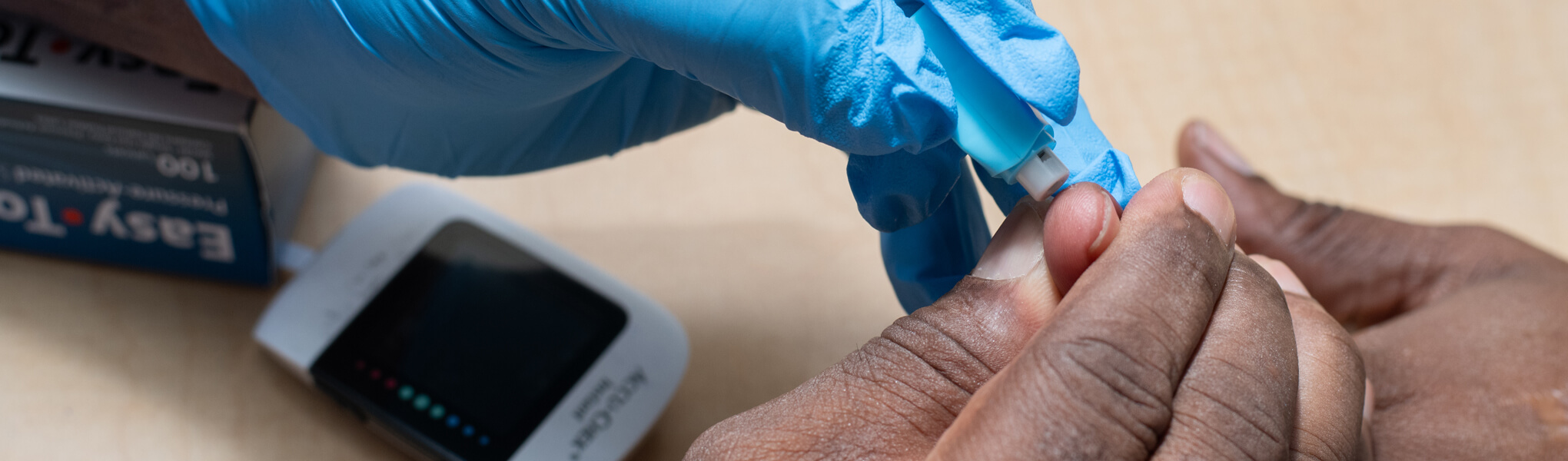
Most people with prediabetes don’t have any symptoms. That’s why screening is so important, especially if you:
- Are over 35 years old
- Are overweight or obese
- Have a family history of Type 2 diabetes
- Are physically inactive
- Have high blood pressure or high cholesterol
- Had gestational diabetes
- Have polycystic ovary syndrome (PCOS)
In Barbados, where diabetes rates are high, getting screened is one of the smartest things you can do for your health.
What You Can Do Right Now
Get Moving
Aim for at least 150 minutes of moderate activity per week. That could be brisk walking, dancing, swimming, or anything that gets your heart rate up. Even 30 minutes a day, five days a week, makes a difference.
Lose Some Weight (If You Need To)
You don’t need to lose a dramatic amount. Studies show that losing just 5-7% of your body weight can significantly reduce your risk of developing diabetes. If you weigh 200 pounds, that’s just 10 – 14 pounds.
Eat Better
- Choose whole grains over refined grains (e.g. brown rice instead of white rice)
- Load up on vegetables and fruits
- Cut back on sugary drinks and instead use more water, unsweetened tea, or coconut water
Watch your portions, especially of starchy foods - Don’t skip meals as it can lead to overeating later
Manage Stress
Chronic stress affects your blood sugar. Find healthy ways to decompress through activities like walking on the beach, spending time with family, or doing something you enjoy.
Get Enough Sleep
Poor sleep affects your body’s ability to use insulin, so aiim for 7-9 hours of quality sleep each night.
Let’s Be Real About Barbadian Food
We know rice, macaroni pie, and sweet treats are part of our culture. You don’t have to give them up completely, but you do need to be smarter about portions and frequency.
Practical swaps:
- Mix white rice with cauliflower rice or add more vegetables to your plate
- Choose baked or grilled foods instead of fried when you can
- Enjoy traditional foods on special occasions, just not every day
- Drink water instead of sweet drinks with your meals
Small changes to how you eat your favorite foods can keep your blood sugar in check without feeling deprived.
The Emotional Side
Getting told you have prediabetes can feel scary. You might feel:
- Worried about developing diabetes
- Overwhelmed by all the changes you “should” make
- Frustrated if you’ve been trying to be healthy already
- In denial (“I feel fine, so maybe they’re wrong”)
All of these feelings are normal. The important thing is to acknowledge them and then take action anyway.
You’re Not Alone in This
At DHAB, we help those with prediabetes understand what it means and, more importantly, what to do about it. We provide practical education, personalized coaching, and connection with others making similar changes.
Many people who take prediabetes seriously and make lifestyle changes successfully bring their blood sugar back to normal levels. You can be one of them.
Ready to take control of your prediabetes? Contact us Monday–Friday, 9:00 a.m.–4:30 p.m.
Learn more: (links to website pages)
- What Is Diabetes?
- Type 2 Diabetes
- Our Services & Support
- Health Screenings