Type 1 Diabetes: What You Need to Know
When Your Body Stops Making Insulin
In Type 1 diabetes, your immune system mistakenly attacks and destroys the cells in your pancreas that make insulin. Without insulin, glucose can’t get into your cells, it builds up in your blood instead.
Think of it like this, your body’s security system got confused and destroyed the key factory. Now you need to get keys from somewhere else.
Who Gets Type 1?
Type 1 usually shows up in children, teens, and young adults, which is why it used to be called “juvenile diabetes.” But Type 1 diabetes can develop at any age. We’ve seen adults in their 30s, 40s, even 50s diagnosed with Type 1.
What Causes It?
We don’t fully know why the immune system turns on itself. It’s not caused by eating too much sugar or by lifestyle choices. Scientists think it’s a combination of genetics and something in the environment that triggers it.
But here’s what’s important to remember – you couldn’t have prevented it and it’s not your fault.
Common Signs & Symptoms
Type 1 often comes on quickly. You might notice:
- Extreme thirst and frequent urination
- Feeling exhausted no matter how much you rest
- Losing weight without trying
- Blurry vision
- Feeling irritable or having mood changes
If you notice these symptoms, especially in a child or young person, get medical attention right away.
How It’s Managed
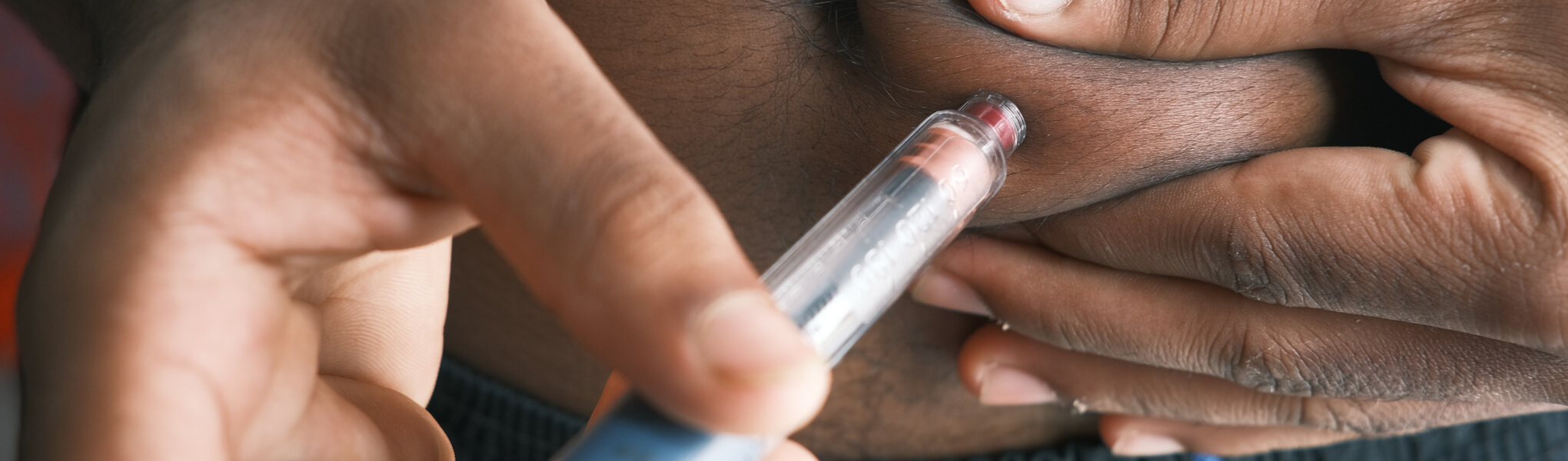
People with Type 1 diabetes need insulin every single day, either through multiple injections or an insulin pump. There’s no way around it because their bodies simply don’t make insulin anymore.
Daily management includes:
- Taking insulin (multiple times per day or via pump)
- Checking blood sugar regularly throughout the day
- Counting carbohydrates in meals
- Adjusting insulin based on activity, food, and stress
- Learning to recognize and treat low blood sugar quickly
The Reality of Living with Type 1
Type 1 is demanding. It requires constant attention and doesn’t take days off. There’s no “cheat day” or vacation from checking blood sugar and taking insulin.
But with good management and the right support, people with Type 1 live full, active lives. They play sports, travel, have careers, raise families, everything anyone else does.
For Parents of Children with Type 1
If your child has been diagnosed, you’re probably feeling overwhelmed, scared, and maybe even guilty. That’s completely normal.
What you need to know:
- You didn’t cause this
- Your child can live a normal, happy life
- There’s a learning curve, but it gets easier
- You’re not alone
You’re Not Alone
Managing Type 1 can feel isolating, especially in Barbados where Type 2 is so much more common. People might not understand why you can’t just “eat better” or why you need insulin.
At DHAB, we connect people with Type 1 to others who truly understand. We provide education, support, and practical help navigating life with this condition.
Whether you’re newly diagnosed or have been managing Type 1 for years, whether it’s you or your child, we’re here.
Need support managing Type 1 diabetes? Contact us Monday–Friday, 9:00 a.m.–4:30 p.m.
Learn more:(links to other website pages)
- What Is Diabetes?
- Type 2 Diabetes
- Our Children & Youth Programs
- Our Services & Support